
A civilization without elders

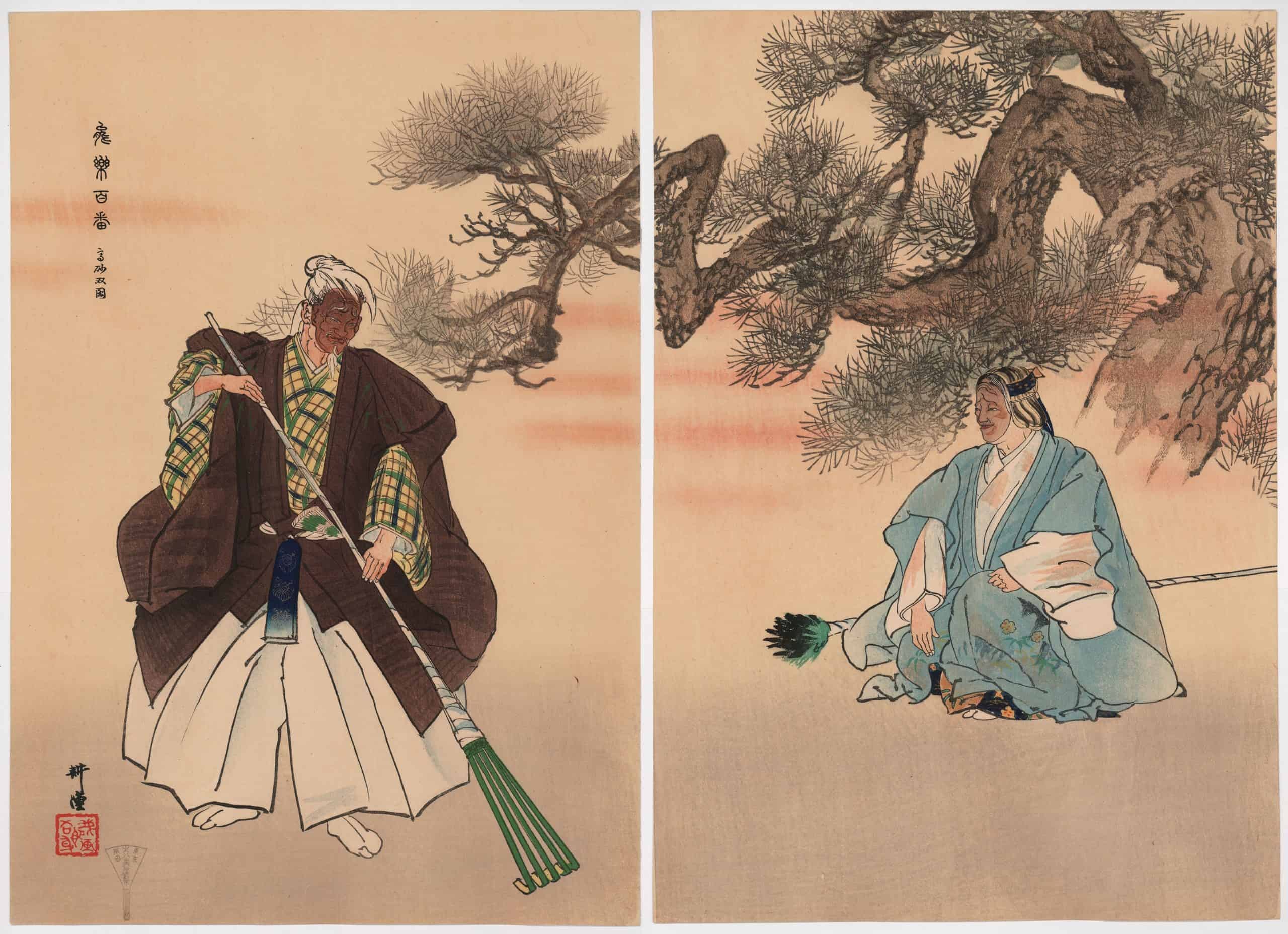
One of the most tragic things to see is an unhappy old person.
The elder is meant to be the finished product of that society’s ideals. The living example or culmination of that society’s moral education.
The concept of the elder and reverence for the elder exists in all civilizations because it was understood that as a human being ages, naturally they will realize more and more of themselves intellectually, creatively, spirituality, morally. They will become more of who they really are.
Such an evolution should bring a tremendous amount of autonomy and joy.
One feels very bad for the older person who always needs to fill up their time with distractions because simple pleasures can’t satisfy, or one who hasn’t escaped the whips and chains of carnal life.
By a certain age, the pleasures of the world should pale in comparison to the pleasures of the mind, of great conversation, of loving connection.
I’m in my 30s now and would never wish to be imprisoned back into my 23 year old self. It’s like escaping a slave master. The clarity, the vision, the enchantment, the passion and the curiosity I have about life now is infinitely greater.
You experience a sort of religious conversion when you see through the idol of ‘success’ — the false idol of upper-middle-class-ness — when you escape the slavery of social expectation, and focus on who you really are and what you’re meant to do.
When you realize that the fallacy of modern life is the prioritization of activity, rather than the person behind the activity.
Younger people still haven’t come into their identity yet. Most haven’t found their calling or their deepest interests, which is one of the greatest blessings of life.
Abraham Maslow, in his Motivation and Personality, gives additional reasons as to why it’s so rare to find a truly happy young person:
Young people haven’t experienced an enduring post-romantic relationship. They haven’t experienced being with someone far past the honeymoon stage.
Young people tend to be ashamed to be virtuous. Virtuousness is still uncool.
Young people haven’t learned enough about the evil in themselves to be wisely compassionate about others.
Young people haven’t acquired enough courage to be unpopular.
Young people haven’t been responsible enough for others.
Young people haven’t shed utopian thinking to know how to make realistic change.
Young people haven’t worked out their own system of values.
Young people haven’t made their peace with death.
These deficiencies are precisely what age is meant to correct.
The early part of life is a lot like going on a pilgrimage in search of gold, only to discover later that the goldmine has been at your feet all along.
You realize that the hole inside you can’t be filled by anything but you, that fulfillment can’t be outsourced to any achievement or pleasure, no matter how outstanding. You realize, to borrow René Girard’s immortal maxim, that all desire is a desire for being.
We live in a dark ages because the later and earlier stages of life have been reversed in their priority. The concept of the elder has been emptied out of its civilizational purpose and reduced to a kind of expired body.
I read the other comments before putting my own here and I thought about their arguments. I still agree with your point of view, the article: in an intact society, where the values are in the right order, I also feel one should become more and more "whole" as one gets older. I am over 40 now. I also feel that I can see more and more through the BS of the world, through the masks the "false gods" and I have learnt much more about myself than I knew when I was 20. I don't know how I will feel about it when I will be 70 or 80, of course.
I am very close to an aunt of mine who is over 70 now. I see how she is still VERY much hungry for life, how she loves to see and discover new things, how she doesn't stop learning, how she contributes every day to so many things around her, how committed she is... This is what it means to LIVE, to not just wait for death to come. Life is made for living it. However everyone of us feels she or he is doing that. It's about new experiences, stimulations and realisations. We are not ment to stop living before we actually die!
That's why I agree with you - it IS very sad to see sad elders. And it is very sad to not respect them.
On the other hand, it is also sad to see sad young people. Is it not a VERY GOOD time in your life to be fully alive, when you're young? Sad that society often makes everything else more important than enjoying being alive.
A great book on this topic is Come of Age: The Case for Elderhood in a Time of Trouble by Stephen Jenkinson. Long, digressive, and totally unique. Highly recommended.